A tired, patchy lawn drags the whole property down. I have walked hundreds of sites where homeowners apologized for their grass before I even set foot out of the truck. By the time people call a landscaping company, they have usually tried seed, fertilizer, and a few hopeful sprinkler adjustments. When those band-aids fail, the real question surfaces: is it time for full lawn replacement, and if so, with sod or synthetic turf?
This guide walks through how a professional landscape contractor looks at that decision, the trade-offs between natural and artificial options, and the practical steps to get from worn-out turf to a clean, durable, well-designed outdoor surface.
Why lawns fail in the first place
You cannot choose the right fix until you understand why the lawn failed. In landscape renovation projects, I see the same patterns repeatedly, whether in residential landscaping or commercial landscaping.
The most common culprit is irrigation. Either there is no proper sprinkler installation, or the system is poorly designed: too few heads, wrong nozzles, bad coverage, or clogged lines. One corner of the lawn bakes while another drowns. Add in summer heat and the grass gives up.
Soil problems are a close second. Construction-grade fill, compacted subsoil, and thin topsoil layers make it hard for roots to penetrate. I still see new homes with less than two inches of decent soil under the sod. The turf hangs on for a year or two, then declines once the initial fertilizer wears off.
Shade, tree competition, and poor drainage also play big roles. Large trees pulling every bit of moisture from the soil, north-facing yards with little sunlight, and flat lots without proper land grading or yard drainage all stress turf. Sometimes I find a hidden issue like a broken sewer line or subsurface spring, but those are the exceptions.
Finally, maintenance practices either support or sabotage the lawn. Mowing too short, skipping lawn fertilization, irregular weed control, or scalping with dull mower blades all reduce turf vigor. On commercial sites where lawn care is on the lowest-bid contract, these habits are almost guaranteed.
Once you know the cause, you can decide whether to repair or replace.
Revive or replace: a quick sanity check
Not every ugly lawn needs a full tear-out. When I walk a property, I look for how much healthy grass remains, and how deep the problems run.
If more than half the lawn area still has living turf, and the underlying issues are manageable (like irrigation tuning, better lawn mowing practices, or targeted weed control), renovation through overseeding and topdressing may be enough. This fits especially well in cool-season climates where fall seeding produces quick results.
If bare soil, weeds, and compacted ground dominate, renovation usually becomes a money pit. You can battle that for several seasons and still hate the result. At that point, lawn replacement is typically the best investment, either with new sod installation or artificial turf installation.
There is also a broader design question. Many homeowners are rethinking how much lawn they truly need. With water restrictions, the push toward sustainable landscaping, and the appeal of outdoor living spaces with paver patios, outdoor kitchens, and fire pit installation, grass does not always deserve center stage. A good landscape designer or landscape architect will ask not just “How do we fix this?” but “How should this property work for you now?”
A professional-style site assessment
Here is a simple version of the on-site assessment I use before recommending sod or synthetic grass installation. It is worth walking your yard with a notepad and going through this sequence.
Map sun and shade. Note which areas get full sun, part shade, or heavy shade across the day and seasons. Turf and trees often compete, and the shade shifts dramatically between winter and summer. Test the soil. Dig a few holes 6 to 8 inches deep. Look for topsoil depth, compaction, and how quickly water drains. If a test hole fills with water and still has standing water after 24 hours, drainage corrections or a french drain installation may be needed. Evaluate water access. Identify existing sprinkler zones, drip irrigation lines, hose bibs, and irrigation controllers. Consider whether irrigation installation upgrades are realistic, both in budget and plumbing access. Identify constraints. Note tree roots, utilities, existing hardscaping like walkways, retaining wall construction, paver patios, or driveway edges. These features influence how you terminate sod or artificial turf, and where landscape edging or stone masonry might be necessary. Clarify use patterns. Think about kids, pets, entertaining, sports, and foot traffic. A small backyard patio for quiet meals has different needs than a side yard dog run or a front lawn used for neighborhood soccer games.By the end of this exercise, you should have a much clearer sense of where natural grass can thrive, where synthetic turf might be smarter, and where you may be better off with mulch installation, planting beds, or hardscape design instead of any turf at all.
Sod vs synthetic turf: practical pros and cons
Both options can look great, but they behave differently once installed. A straightforward comparison helps most clients make peace with their choice.
- New sod offers a living, cool surface with natural feel and seasonal change. It demands ongoing lawn maintenance, regular irrigation, lawn mowing, and lawn fertilization, but it stays cooler underfoot and supports soil life and native landscaping when integrated thoughtfully with garden design. Synthetic grass installation creates a consistently green, low-maintenance surface with minimal water demand. It can handle heavy use, pets, and shady spots better than natural grass. It costs more up front, can feel hotter in peak sun, and requires careful base preparation and drainage to perform over the long term.
Beyond this quick snapshot, a few deeper points matter in real projects.
Water and sustainability drive many decisions. In regions with strict watering limits, drought tolerant landscaping is not just a preference, it is mandatory. Sod still uses less water than a poorly managed old lawn if combined with efficient sprinkler installation or drip irrigation, but it cannot compete with synthetic turf’s minimal water needs. However, if you value eco friendly landscaping and soil health, a smaller but healthy lawn combined with native planting services and xeriscaping can have a lower overall footprint than carpeting large areas with plastic turf.
Durability varies by use. For high-traffic areas like daycare play yards, dog boarding runs, or narrow side yards where grass constantly wears away, artificial turf installation often outlives multiple rounds of sod. I have replaced sod three times for clients in such pinch points before finally switching to synthetic, after which the headaches stopped.
Aesthetics involve more than color. Quality sod has subtle variations and seasonal shifts that make a garden feel alive, especially when paired with shrub planting, tree planting, and flower bed installation around the edges. Synthetic turf looks almost too perfect. On some luxury landscaping projects, we deliberately soften artificial turf with decorative mulch, stone walkways, and mixed planting pockets to avoid that “golf mat” look.
Comfort and temperature also matter. In full sun, synthetic turf can run significantly hotter underfoot than sod. For families with children who like to play barefoot, or for backyard renovation projects where the yard doubles as a lounging space, this becomes part of the conversation. Shade structures like pergola installation, pavilion construction, or well-placed trees can help, but they add cost and complexity.
Longevity and cost balance out over time. New sod costs less per square foot to install, but you pay later in water, fertilizers, mowing, and periodic lawn replacement if conditions are marginal. Synthetic turf costs more up front, but maintenance focuses mainly on light cleaning, occasional brushing, and infill top-ups. Over roughly a decade, the long-term cost difference narrows, especially in high-water-cost markets.
Designing the new lawn within a complete landscape
The biggest missed opportunity I see is treating lawn replacement as a stand-alone chore, separate from landscape design. If you step back and think of the yard as an outdoor living space, you can often improve function and reduce maintenance at the same time.
Start with traffic flow. Where do people walk from the driveway to the front door, from the back door to the side gate, from the patio to the garden? Often it makes more sense to add a stone walkway or paver walkway installation along those routes rather than expecting turf to absorb all the wear. Interlocking pavers, brick pavers, or natural stone pavers can frame lawn areas and keep feet cleaner in winter.

Grade and drainage come next. Before any lawn installation, inspect how water moves across the site. Low spots may need land grading, modest re-contouring, or yard drainage solutions like a french drain installation or shallow swales lined with decorative rock. Sod on a chronically soggy area will always struggle. Synthetic turf over a wet base can trap odors or grow moss if the drainage layer is not correctly engineered.
Edges and transitions matter more than most people think. Clean landscape edging separates turf from planting beds and hardscapes, makes garden maintenance easier, and gives the yard a professional finish. Metal, concrete curbing, brick soldier courses, or stone masonry borders all work, depending on the style of the house. In custom landscaping and luxury landscaping projects, these details often set the tone more than the lawn itself.
Think about how the lawn ties into other features such as a backyard patio, covered patio, outdoor kitchen installation, built in BBQ, or outdoor fireplace. Many of the best outdoor entertainment area layouts I have seen use lawn as an infield between hard surfaces, not as an all-encompassing blanket. Small, well-framed turf areas alongside a stone patio or decorative concrete terrace offer green relief without dominating the maintenance schedule.
Lighting is another overlooked piece. Landscape lighting, including garden lighting and low voltage lighting along the lawn edge, can transform a simple lawn into a usable evening space. Low fixtures can highlight the crisp edge between turf and path, while subtle outdoor lighting in trees or along retaining wall installation adds depth and security.
Replacing your lawn with fresh sod: what quality installation looks like
Sod installation is often marketed as simple: scrape, unroll, water. The difference between a quick patch job and a professional landscape construction standard lies in the preparation.
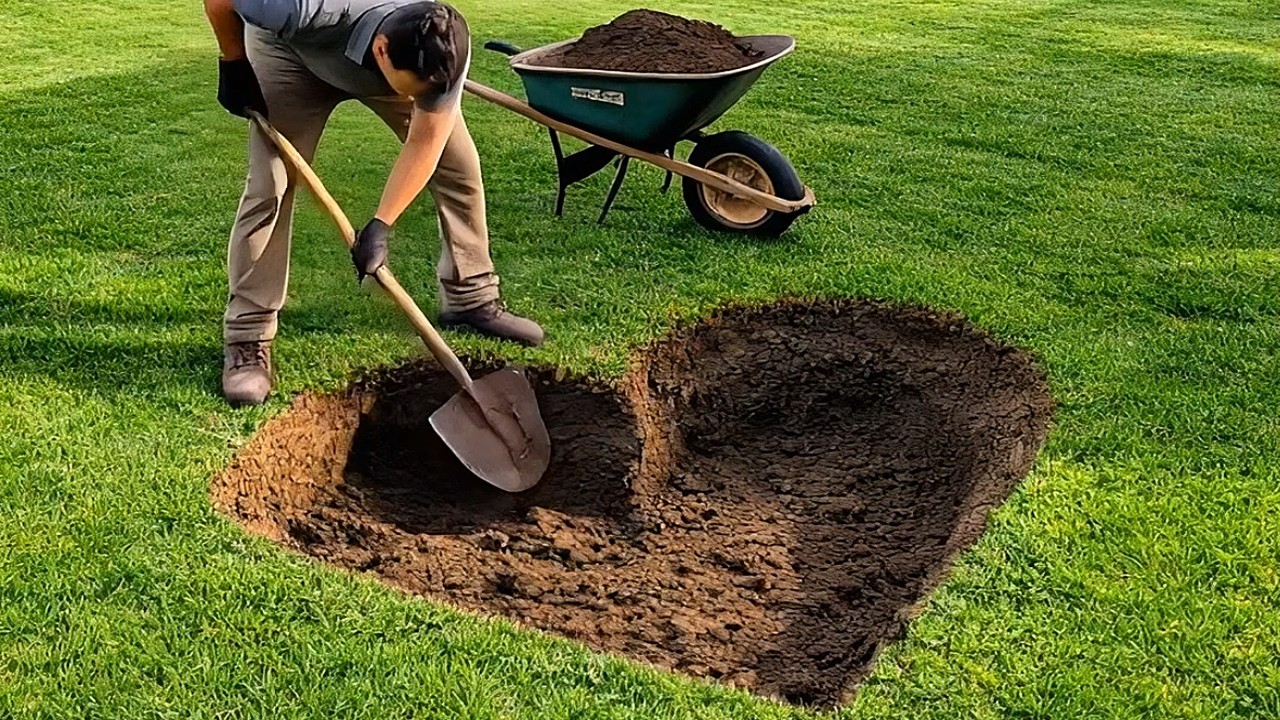
A good lawn replacement with sod begins by stripping the old turf and weeds completely, usually with a sod cutter rather than just scalp mowing. Once removed, the crew can see the contour and underlying soil. This is the point to adjust land grading, relieve compaction with tilling, and incorporate compost or organic matter to improve soil structure. I like to see at least 4 inches of reasonably good topsoil before new sod goes down on residential sites.
If irrigation installation or sprinkler installation upgrades are needed, they happen now, before final grading. Heads should be set slightly below the final sod surface to prevent mower damage and tripping hazards. On smaller or irregular areas, drip irrigation along the perimeter and pop-up rotors in the center can provide efficient coverage. Smart controllers and rain sensors are increasingly standard for sustainable landscaping and water savings.
After irrigation comes fine grading and rolling. The finish grade should slope gently away from house foundations, walkways, and driveways, with no birdbaths or low spots. The soil surface should be firm enough that footprints are shallow, but not so compacted that roots struggle.
Sod should arrive fresh, ideally within a day of cutting, and be installed in a staggered brick pattern with tight seams. Joints between rolls need to be snug but not overlapping, especially along curves and edges where poor seams show the most. Once laid, the entire area gets rolled again to ensure good contact between sod and soil.
Watering is critical in the first two weeks. I usually recommend watering lightly but frequently at the start, then tapering to deeper, less frequent irrigation as roots establish. Walking on new sod should be minimized for at least 10 to 14 days, and lawn mowing should wait until the turf is rooted enough that you cannot easily pull up corners.
Long-term success still depends on lawn care: steady mowing at the correct height, balanced lawn fertilization, weed control as needed, and periodic lawn maintenance like aeration. A sod lawn provides instant gratification, but it still lives in the real world of climate, soil, and habits.
Replacing your lawn with synthetic turf: from excavation to infill
Artificial turf installation is less forgiving of shortcuts. Once it goes in, mistakes in the base or drainage are tough and expensive to correct.
The process starts similarly: remove the existing turf, roots, and organic material. Unlike sod projects where some organic matter is welcome, synthetic grass sits on a carefully compacted, mineral base. That base typically consists of layers of crushed rock or decomposed granite, each compacted to a specified density. The thickness depends on soil type, climate, and intended use, but 3 to 5 inches is common for residential landscaping.
Edging choices are critical. The turf needs a firm perimeter to anchor against, whether that is concrete curbing, steel edging, a paver border, or the vertical face of a block retaining wall. Without proper edging, turf edges can curl, spread, or separate over time. On sloped sites, this becomes even more important, and sometimes engineered retaining walls or low timber retaining wall segments are added alongside the turf to create level platforms.
Drainage under synthetic turf is non-negotiable. If the subgrade traps water, odors, moss, and frost heave can follow. Perforated base layers, slight slopes, and in wet climates, shallow drain lines or french drain installation beneath the turf area may be appropriate. For pet areas, I usually recommend specific infill materials and base designs that improve drainage and reduce odor.
Once the base is in place and compacted, the turf rolls are laid out, oriented in the same grain direction, trimmed carefully, and joined with seaming tape and adhesives. The quality of these seams separates an amateur job from professional landscape installation work. On sunlit surfaces, poorly aligned seams will always catch the eye.
Infill, which might be sand, specialized rubber or organic materials, gets brushed into the turf fibers to weigh them down, support the blades, and adjust cushion and performance. The amount and type of infill depends on whether the area will host pets, children, or sports.
Maintenance afterwards focuses on keeping the surface clean, redistributing infill as needed, and occasionally brushing the fibers to keep them upright. Leaf blowers, brooms, and low-pressure rinsing handle most situations. Weed control is minimal if the base and edging are done right, though I occasionally see opportunistic growth along seams or edges where soil accumulates.
Costs, lifespan, and long-term care
Whenever we talk about lawn replacement, cost is part of the conversation. Prices vary widely by region, access, and quality of materials, but some general patterns hold.
Sod installation typically carries a lower upfront cost per square foot than artificial turf. The main variables are soil preparation, grading complexity, and irrigation installation or upgrades. A simple front lawn with good existing soil and minor adjustments might be on the low end. A full backyard renovation involving erosion control, land grading, and new sprinkler zones will trend higher.
Synthetic grass installation carries a higher line-item cost, driven by the turf product itself and the labor to build a proper base. On a per-project basis, I often see artificial turf cost two to three times what sod would cost on the same area when installed to good standards. That initial sticker shock is real.
Lifetime, however, tells a different story. A well-maintained sod lawn can last decades, but many owners find themselves re-sodding or re-seeding large sections every 8 to 12 years because of shifting needs, tree growth, or lapses in care. Synthetic turf products are often warranted in the range of 8 to 15 years against significant fading or deterioration. With good installation and normal use, I regularly see quality turf performing acceptably beyond the warranty window.
Water and maintenance costs tip the scales over time. In areas with expensive municipal water or tight restrictions, the monthly savings from reducing irrigation can be significant, particularly on commercial landscaping sites or large residential properties. Lawn care costs, whether paid to a landscape maintenance company or in your own weekend hours, also factor into the equation.
The right choice for one property may not be right next door. A small city courtyard where sun never quite reaches may be a perfect synthetic turf candidate. A spacious suburban yard with kids, shade trees, and interest in garden landscaping, shrub planting, and seasonal color might be better served by a smaller but high-quality natural lawn surrounded by native landscaping and drought tolerant planting beds.
Folding lawn replacement into a bigger outdoor plan
Once you commit to tearing out a lawn, you have a rare chance to redesign the entire outdoor space. I encourage clients to look several years ahead and consider what else should coordinate with the new turf.
Hardscaping is often first on the list. Paver patio installation, custom patios, or a concrete patio extension can change how you use the space far more than a bigger or greener lawn ever will. A stone patio with a fire pit installation, or a covered patio paired with outdoor kitchen installation, can shift family life outdoors for much of the year.
Paver installation and walkway installation can also solve practical problems. Interlocking pavers on a paver driveway installation tie into concrete pavers on a front path and brick walkway along the side yard, guiding foot traffic and preserving your new sod. Paver repair and paver sealing on existing surfaces can refresh older hardscapes so that a fresh lawn does not make everything else look tired.
Retaining wall construction offers both structure and style. Stone retaining walls, block retaining walls, or timber retaining walls can carve flat terraces out of slopes, stabilize eroding hillsides, and create defined lawn panels with planting beds above and below. Engineered retaining walls are sometimes necessary where soil loads or heights exceed local code limits, and a good retaining wall contractor or landscape contractor will coordinate these with the lawn grade.
Water features add a strong focal point. Pond installation, waterfall installation, or fountain installation near a lawn can introduce soothing sound and reflect the greenery around them. Just be realistic about maintenance; natural ponds may demand more garden maintenance than the lawn itself, though simple fountain installation with recirculating pumps is usually manageable.
Finally, remember the planting. Garden installation and garden renovation around the new lawn provide biodiversity, seasonal interest, and a sense of enclosure. Combining tree planting, shrub planting, and decorative mulch under perennials can reduce the total area of turf while improving the overall effect. Xeriscaping zones along the outer edges, with drip irrigation and drought tolerant landscaping, can cut water use without giving up all lawn.
When all these pieces are coordinated by a thoughtful landscape designer or design-build landscaping company, the lawn becomes one component of a larger, coherent outdoor living design, not a burden you battle alone.
Common mistakes and when to bring in a pro
After years in hardscape construction and landscape services, I can predict many of the pitfalls that lead to disappointment.
People often skip soil and base preparation, assuming new sod or synthetic turf will cover up underlying issues. It never does. Poor drainage, tree-root competition, or uneven grades will reveal themselves again within a season or two. Others underestimate the importance of irrigation design for natural lawns, thinking any sprinkler is better than none. An uneven, overspraying system wastes water and still leaves dry patches.
On synthetic turf jobs, I have seen do-it-yourselfers skimp on base depth, use round gravel instead of angular crushed stone, or skip compaction. The result is a soft, wavy surface that telegraphs every footprint and settles over time. Attempting complex seams without experience often leaves visible lines and gaps.
There is also the design mistake of reinstalling a giant rectangle of lawn just because that is what was there before. Often the best landscape renovation I can suggest involves shrinking the lawn footprint, increasing planting beds with native landscaping, or introducing hardscape installation that actually reflects how the space is used.
As for when to call in a landscape contractor, consider your tolerance for excavation, precision grading, and risk. Small, simple areas with easy access and good ridgelineoutdoorliving.com existing soil lend themselves to DIY sod installation. A side-yard dog run fenced on three sides may be a manageable artificial turf project for a handy owner following manufacturer guidelines.
Larger projects involving retaining walls, engineered yard drainage solutions, extensive irrigation installation, or tying into existing paver patios and walkways usually justify hiring a professional outdoor living contractor or paver contractor. The same applies where local codes require permits for land grading, concrete work, or engineered retaining walls.
A good landscape design build firm or patio contractor looks beyond the immediate lawn replacement and helps you plan for the next decade of use. That might mean staging work over a couple of years, prioritizing critical grading and hardscaping first, then layering in sod, planting services, and landscape lighting later.
The lawn itself, whether lush sod or carefully installed synthetic turf, is just one chapter. The real goal is a yard that matches your climate, your water reality, your maintenance appetite, and the way you actually live outside. When all those align, the grass - real or artificial - finally earns its place.